Table of contents
- Understanding Bhutan's Entry Requirements for Indian Travellers in 2026
- Sustainable Development Fee (SDF) and Waivers
- Permits and Entry Formalities
- Crafting Your Bhutan Itinerary for 2026: The Land of Happiness Beckons
- Classic Bhutan: 6 Days of Culture & Scenery
- Adventure & Wellness: 8 Days Beyond the Usual
- Estimated Cost for Indian Travellers in Bhutan (2026)
- Mandatory Expenses:
- Accommodation (Per Night):
- Transportation within Bhutan (Per Day, with Driver & Fuel):
- Food (Per Person Per Day):
- Miscellaneous Expenses:
- Total Estimated Cost (Indicative, excluding international flights):
- Best Time to Visit Bhutan for Indian Travellers in 2026
- Sustainable Travel Tips for Indian Tourists in Bhutan
- Why Choose The Posh Travels for Your Bhutan Journey in 2026?
- FAQ for Indian Travellers Planning Bhutan in 2026
- Q. Is Bhutan safe for solo female travellers from India?
- Q. Can I use Indian Rupees (INR) in Bhutan?
- Q. What kind of food can I expect in Bhutan?
- Q. Do I need an international driving permit to drive in Bhutan?
- Embark on Your Journey to the Last Shangri-La
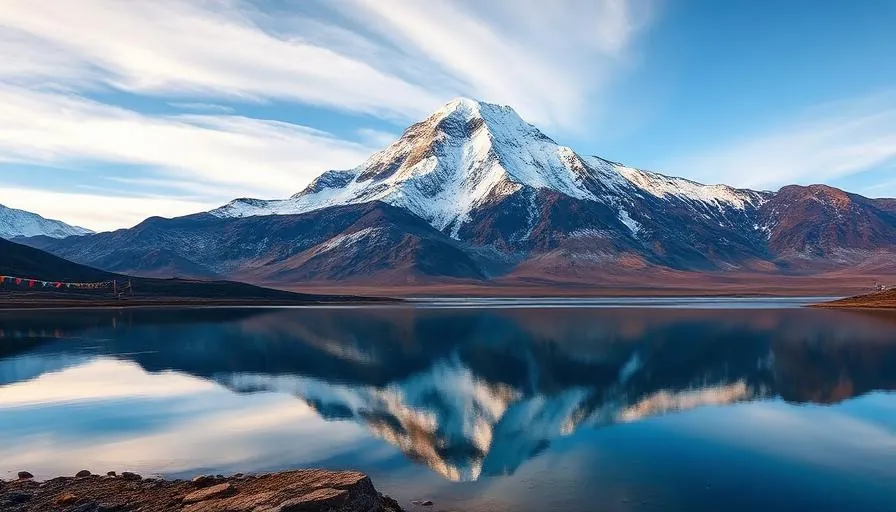
Bhutan, often known as the 'Land of the Thunder Dragon' and famously measured by Gross National Happiness, offers an unparalleled escape for Indian travellers. In 2026, as the world embraces more sustainable and immersive travel, Bhutan stands out as a pristine sanctuary of ancient traditions, breathtaking landscapes, and profound spiritual energy. For Indian citizens, this Himalayan kingdom holds a special place, with unique entry regulations and a warm, welcoming ethos. If you're dreaming of a journey that rejuvenates your soul and ignites your sense of adventure, Bhutan is calling. This comprehensive guide, crafted by the experts at The Posh Travels, will help you plan an unforgettable trip to Bhutan in 2026, covering everything from permits and costs to the best experiences.
Understanding Bhutan's Entry Requirements for Indian Travellers in 2026
Unlike most international destinations, Bhutan has a distinctive tourism policy focused on 'High Value, Low Impact'. This philosophy ensures the preservation of its natural environment and rich culture. For Indian citizens, the rules are slightly different from other nationalities, making travel more accessible yet still regulated to maintain sustainability.
Sustainable Development Fee (SDF) and Waivers
- SDF for Indian Tourists: Up until June 2024, Indian tourists were exempt from the Sustainable Development Fee (SDF) which other nationalities pay $200 per person per night. However, from July 2024 onwards, Indian citizens are required to pay an SDF of INR 1,200 per person per night. This fee contributes directly to Bhutan's sustainable development, funding free education, healthcare, infrastructure, and environmental preservation.
- SDF Exemption for Children: Children below the age of 5 years are exempt from the SDF. Children between 6 and 12 years receive a 50% discount on the SDF.
Permits and Entry Formalities
- Entry Points: Indian citizens can enter Bhutan either by air or by road.
- Air Entry: Via Drukair or Bhutan Airlines to Paro International Airport (PBH). You can fly directly from Delhi, Kolkata, Bagdogra, Guwahati, and Mumbai.
- Road Entry: The primary land entry point is Phuentsholing, which borders the Indian town of Jaigaon in West Bengal. Other land entry points include Samdrup Jongkhar and Gelephu.
- Required Documents for Indians:
- A valid Indian Passport with a minimum of six months validity.
- OR, a Voter ID card issued by the Election Commission of India.
- No Visa Required: Indian nationals do not require a visa to enter Bhutan.
- Entry Permit: Previously, Indians obtained an Entry Permit on arrival (or via online application). In 2026, it is highly recommended to apply for the entry permit online in advance through the official Bhutan Immigration Portal to ensure a smooth and hassle-free entry, especially during peak seasons. Your tour operator can also facilitate this.
Crafting Your Bhutan Itinerary for 2026: The Land of Happiness Beckons
Bhutan offers diverse experiences, from spiritual enlightenment to adrenaline-pumping treks. Here are some popular itinerary options, keeping Indian travellers' preferences and comfort in mind.
Classic Bhutan: 6 Days of Culture & Scenery
This itinerary is perfect for first-time visitors looking to experience the core cultural and scenic highlights of Bhutan.
- Day 1: Arrive in Paro – Transfer to Thimphu (approx. 1.5 hours)
- Arrive at Paro International Airport (PBH), considered one of the most scenic approaches in the world.
- Transfer to Thimphu, the capital city. Check into your luxury hotel.
- Evening: Visit the Buddha Dordenma (Buddha Point) for panoramic views of the Thimphu valley and a blessing from the majestic Buddha statue. Explore the bustling Thimphu market.
- Day 2: Thimphu Exploration
- Morning: Visit the Memorial Chorten, National Folk Heritage Museum, and the National Textile Museum.
- Afternoon: Explore the Takin Preserve (home to Bhutan's national animal) and the Sangaygang Viewpoint. Visit a traditional paper factory.
- Day 3: Thimphu to Punakha (approx. 3 hours)
- Drive over Dochula Pass (3,100m A.S.L.) enjoying 108 stupas and stunning Himalayan views.
- Visit Chimi Lhakhang (the Temple of Fertility), a short, pleasant walk through paddy fields.
- Afternoon: Explore the magnificent Punakha Dzong, situated at the confluence of two rivers.
- Day 4: Punakha to Paro (approx. 3.5 hours)
- Morning: Enjoy a leisurely breakfast. Perhaps a short nature walk by the Punakha river.
- Drive back to Paro. Check into your hotel.
- Late afternoon: Visit Paro Rinpung Dzong, followed by a stroll across Nyamai Zam, a traditional cantilever bridge.
- Day 5: Tiger's Nest Monastery Hike
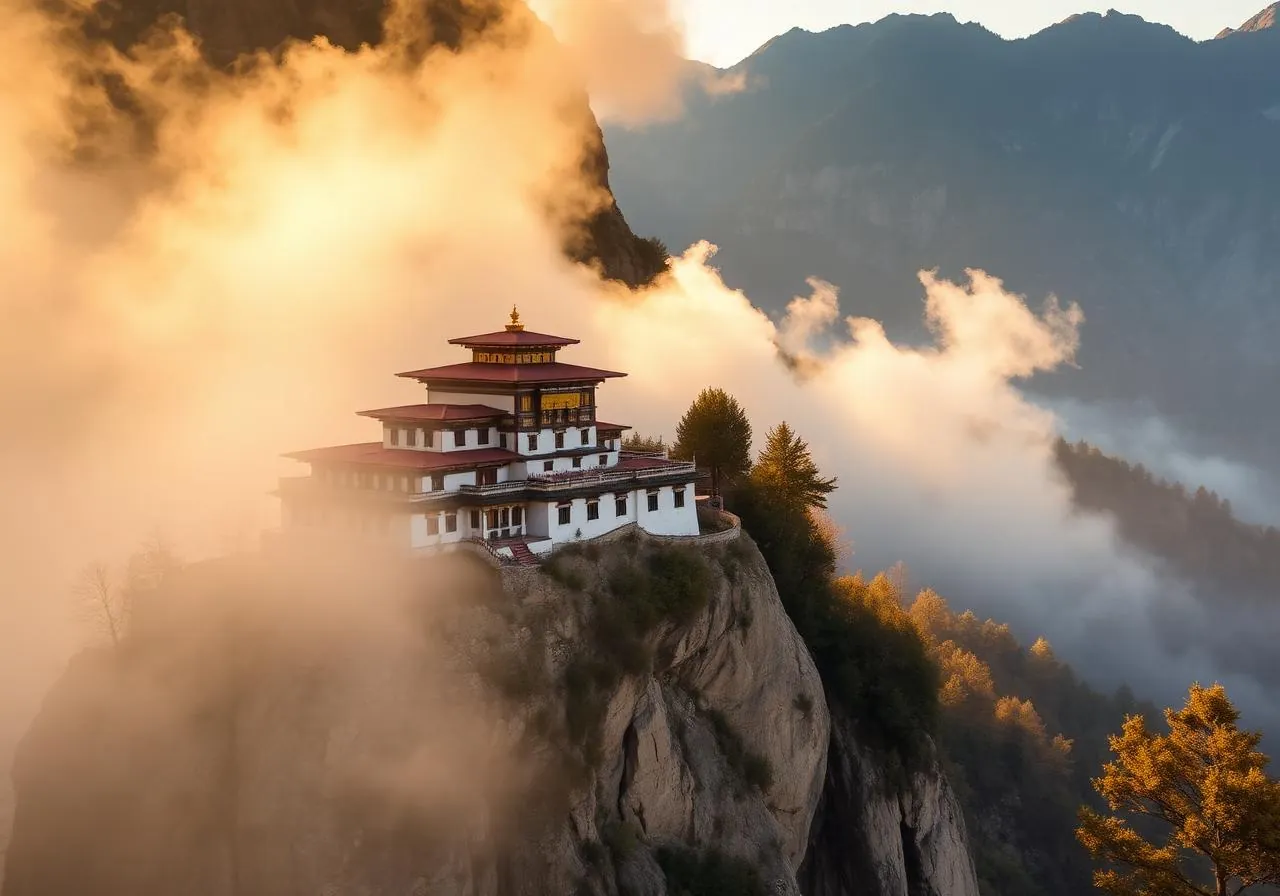
- The highlight! Embark on the exhilarating trek to Paro Taktsang (Tiger's Nest Monastery). This iconic monastery clings precariously to a cliff 900 meters above the Paro Valley. The round trip takes approximately 5-7 hours depending on your pace. Horse/mule ride available for the first leg.
- Evening: Relax and perhaps indulge in a traditional hot stone bath.
- Day 6: Departure from Paro
- After breakfast, transfer to Paro International Airport for your onward flight.
Adventure & Wellness: 8 Days Beyond the Usual
For those seeking more adventure, serenity, and a deeper dive into Bhutanese culture, consider this extended itinerary.
- Days 1-4: As per Classic Bhutan Itinerary.
- Day 5: Gangtey Valley (Phobjikha) – Nature & Serenity (approx. 2 hours from Punakha)
- Drive to the beautiful U-shaped glacial valley of Phobjikha, the winter home of the endangered Black-necked Cranes.
- Explore the Gangtey Gompa, a significant Nyingmapa monastery. Enjoy a gentle nature walk through the valley.
- Day 6: Gangtey to Paro (approx. 6-7 hours)
- Enjoy the serene morning in Gangtey.
- Long but scenic drive back to Paro. Stop at viewpoints and local markets along the way.
- Day 7: Haa Valley Day Trip / Chele La Pass Hike
- Option 1: Day trip to the quaint Haa Valley, one of Bhutan's most picturesque valleys, known for its pristine beauty and traditional way of life. Traverse the stunning Chele La Pass (3,988m), one of the highest motorable passes in Bhutan, offering panoramic views.
- Option 2: For keen trekkers, a longer hike from Chele La Pass to Kila Nunnery or other scenic trails.
- Day 8: Departure from Paro.
For bespoke itineraries, including treks like Druk Path Trek or Bumthang Cultural Trek, contact The Posh Travels. We specialize in tailoring luxury Bhutan tours that cater to your specific interests and pace.
Estimated Cost for Indian Travellers in Bhutan (2026)
While Bhutan is considered a premium destination, smart planning can help manage costs. Here's a breakdown of estimated expenses for Indian travellers in 2026, considering the new SDF.
Mandatory Expenses:
- Sustainable Development Fee (SDF): INR 1,200 per person per night. (e.g., 6 nights = INR 7,200 per person)
- Airfare (Round Trip from India):
- From Kolkata/Bagdogra: INR 15,000 – INR 25,000 per person.
- From Delhi/Mumbai: INR 25,000 – INR 40,000 per person.
- Prices vary based on booking time and airline (Drukair/Bhutan Airlines).
Accommodation (Per Night):
- Mid-Range Hotels (3-star equivalent): INR 5,000 – INR 8,000 (includes breakfast)
- Luxury Hotels (4-5 star properties like COMO Uma Paro, Le Méridien): INR 12,000 – INR 35,000+ (includes breakfast, some include other meals/activities)
Transportation within Bhutan (Per Day, with Driver & Fuel):
- Sedan/SUV: INR 4,000 – INR 6,000 (suitable for 2-3 people)
- Toyota Coaster (for groups): INR 8,000 – INR 12,000
- Typically included in tour packages.
Food (Per Person Per Day):
- Local Restaurants/Cafes: INR 800 – INR 1,500
- Hotel Dining/Fine Dining: INR 2,000 – INR 4,000+
- Bhutanese cuisine is delicious! Don't miss Ema Datshi.
Miscellaneous Expenses:
- Entry Fees to Monuments/Dzongs: Many are included in guided tours. Some may require small individual fees (e.g., INR 200-500).
- Monastery Donations: Voluntary, typically small amounts.
- Trekking Guide Fees (Tiger's Nest): If not part of a package, around INR 2,000 – INR 4,000.
- Pony Ride (Tiger's Nest, one way upto cafeteria): INR 1,000 – INR 1,500.
- Optional Activities (e.g., Archery lessons, hot stone bath): INR 1,500 – INR 5,000+
- Personal Shopping/Souvenirs: Highly variable.
Total Estimated Cost (Indicative, excluding international flights):
- Budget Traveller (staying in basic hotels, local food, 6 nights): INR 20,000 – INR 30,000 (SDF + Basic Accommodation + Food + Local Transport (if shared/bus) + Minor Fees)
- Mid-Range Traveller (3-star hotels, tour package, 6 nights): INR 45,000 – INR 70,000 (SDF + Accommodation + Meals + Private Transport + Guide + Entrance Fees)
- Luxury Traveller (4-5 star hotels, bespoke tour, 6 nights): INR 80,000 – INR 1,50,000+ (SDF + Premium Accommodation + Fine Dining + Luxury Transport + Expert Guide + Tailored Experiences)
Note: These are estimates. Booking a comprehensive tour package from a reputed operator like The Posh Travels often provides better value and convenience, as most components (SDF, accommodation, meals, transport, guide, monument fees) are bundled.
Best Time to Visit Bhutan for Indian Travellers in 2026
Bhutan experiences four distinct seasons, each offering a unique charm.
- Spring (March – May): Widely considered the best time. Rhododendrons bloom in vibrant colours, weather is pleasant (15°C to 25°C), and festivals like Paro Tshechu are celebrated. Ideal for trekking and cultural tours.
- Autumn (September – November): Another peak season. Clear skies, crisp air, and stunning mountain views (10°C to 20°C). Excellent for photography and outdoor activities. Thimphu Tshechu is a major highlight.
- Summer (June – August): Monsoon season. Lush green landscapes, but occasional heavy rainfall can impact travel plans and visibility. Temperatures range from 20°C to 30°C. Lower tourist crowds and greener valleys are a plus for some.
- Winter (December – February): Cold but dry, with clear skies and occasional snowfall, especially at higher altitudes (0°C to 15°C). Phobjikha Valley is perfect for spotting Black-necked Cranes. Fewer tourists mean a more intimate experience.
Recommendation: For a balanced experience, Spring and Autumn are ideal. If you prefer fewer crowds and don't mind the cold, winter offers serene landscapes.
Sustainable Travel Tips for Indian Tourists in Bhutan
Bhutan is a global leader in sustainable tourism. As responsible travellers, Indians should embrace these principles:
- Respect Local Customs: Dress modestly, especially when visiting religious sites (shoulders and knees covered). Remove shoes before entering temples.
- Embrace 'Lekh So': The Bhutanese word for 'thank you' – use it often!
- Stay on Designated Trails: Especially during treks, to protect flora and fauna.
- Minimize Waste: Carry reusable water bottles, avoid single-use plastics. Bhutan has strict waste management rules.
- Support Local: Purchase handicrafts directly from artisans, eat at local restaurants.
- Mindful Photography: Always ask for permission before photographing people, especially monks.
- Learn Basic Phrases: A few words in Dzongkha (Hello: Kuzu Zangpo La, Thank you: Kadinche La) go a long way.
Why Choose The Posh Travels for Your Bhutan Journey in 2026?
Navigating the nuances of Bhutanese travel, especially with the updated SDF and permit systems, can be complex. The Posh Travels specializes in crafting seamless, luxurious, and authentic Bhutanese experiences for Indian travellers. Here's why you should trust us:
- Expert Planning: We handle all permit applications, SDF payments, accommodation, and transportation, ensuring a stress-free trip.
- Tailored Itineraries: From cultural immersions to adventurous treks, we customize itineraries to suit your preferences, pace, and budget.
- Luxury & Comfort: We partner with Bhutan's finest hotels and resorts, ensuring your stay is as comfortable as it is memorable.
- Experienced Guides: Our local Bhutanese guides are certified, knowledgeable, and passionate, offering deep insights into their culture.
- Seamless Logistics: From flight bookings to internal transfers, every detail is meticulously managed.
- 24/7 Support: Our team is available round-the-clock to assist you during your trip.
FAQ for Indian Travellers Planning Bhutan in 2026
Q. Is Bhutan safe for solo female travellers from India?
A. Absolutely. Bhutan is considered one of the safest countries in the world, including for solo female travellers. The crime rate is extremely low, and locals are very respectful and helpful. However, as with any destination, it's always wise to exercise general caution, especially at night, and inform your guide or hotel about your plans. The Posh Travels can arrange female guides if preferred.
Q. Can I use Indian Rupees (INR) in Bhutan?
A. Yes, Indian Rupees are widely accepted in Bhutan, especially in border towns and tourist areas. However, INR 2000 notes are often not accepted due to counterfeit issues. It’s always good to carry smaller denominations. The local currency is the Bhutanese Ngultrum (BTN), which is pegged to the Indian Rupee at par (1 INR = 1 BTN). Major hotels and shops accept credit/debit cards, but cash is preferred for smaller purchases.
Q. What kind of food can I expect in Bhutan?
A. Bhutanese cuisine is known for its spiciness and use of cheese. The national dish is Ema Datshi (chillies and cheese stew), a must-try! Other staples include red rice, chicken, pork, and beef curries. Because of the large number of Indian tourists, most hotels and restaurants also offer popular Indian vegetarian and non-vegetarian dishes. There are also international cuisine options available, especially in Thimphu and Paro.
Q. Do I need an international driving permit to drive in Bhutan?
A. No, a valid Indian driving license is sufficient if you plan to self-drive in Bhutan. However, self-driving is generally not recommended due to challenging mountain roads and local driving styles. It's much safer and more convenient to hire a car with an experienced local driver, which is typically included in most tour packages.
Embark on Your Journey to the Last Shangri-La
Bhutan in 2026 promises an experience that transcends the ordinary. It's a journey not just through picturesque landscapes but into a way of life that prioritizes happiness, sustainability, and spiritual well-being. With proper planning and the right travel partner, your Bhutanese adventure will be nothing short of magical. Let The Posh Travels curate your dream escape to the Land of the Thunder Dragon, ensuring every moment is steeped in luxury, authenticity, and unforgettable memories. Discover our luxurious Bhutan travel packages or reach out to us directly for a bespoke itinerary crafted just for you via WhatsApp.
Want this trip planned for you?
Tell us your dates and we'll send a custom itinerary + best price within hours.
Chat on WhatsAppGet a custom quote for this trip
Free, no obligation. Our travel designer replies within a few hours.