Table of contents
- Why Backpack India in 2026? The Allure of Affordable Adventure
- Mastering Your Budget: How to Save Smartly (INR Edition)
- 1. Transportation: Your Wheels on a Budget
- 2. Accommodation: Sleep Smart, Spend Less
- 3. Food & Drink: A Culinary Journey on a Shoestring
- Crafting Your Route: Epic Indian Backpacking Itineraries for 2026
- 1. The Golden Triangle & Beyond (North India)
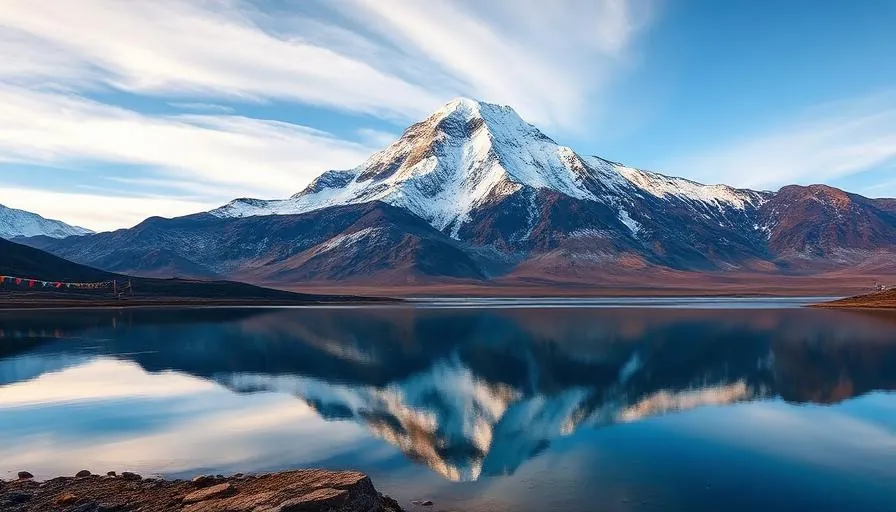
- 2. Himalayan Foothills & Spiritual Retreats (North India)
- 3. The Backwaters & Beaches (South India)
- 4. Goa & Hampi: Culture Meets Coast (West India)
- Essential Tips for the Indian Budget Backpacker in 2026
- 1. Pack Smart & Light
- 2. Technology & Connectivity
- 3. Safety First, Always
- 4. Embrace Local Culture & Bargain Respectfully
- FAQ: Your Budget Backpacking Queries Answered
- Q? What's a realistic daily budget for backpacking in India for an Indian traveller in 2026?
- Q? Is solo female backpacking safe in India?
- Q? How do I book trains and buses in India, and how far in advance?
- Q? What are some hidden costs to watch out for while backpacking?
- Q? Which regions are best for first-time backpackers in India?
Namaste, fellow adventurers! The call of the open road, the allure of diverse landscapes, and the richness of India's culture beckon. But what if your wanderlust is grand, but your wallet isn't quite as expansive? Fear not! 'The Posh Travels', your trusted partner in luxury journeys, also believes that unforgettable experiences shouldn't always come with a hefty price tag. In fact, some of the most profound adventures are found off the beaten path, experienced authentically and affordably.
For the Indian traveller dreaming of exploring our incredible nation in 2026, backpacking offers an unparalleled blend of freedom, discovery, and yes, smart budgeting. Forget the misconception that backpacking means roughing it; with the right planning, it means smart, immersive, and truly enriching travel. Get ready to unlock India's wonders without compromising your savings account!
Why Backpack India in 2026? The Allure of Affordable Adventure
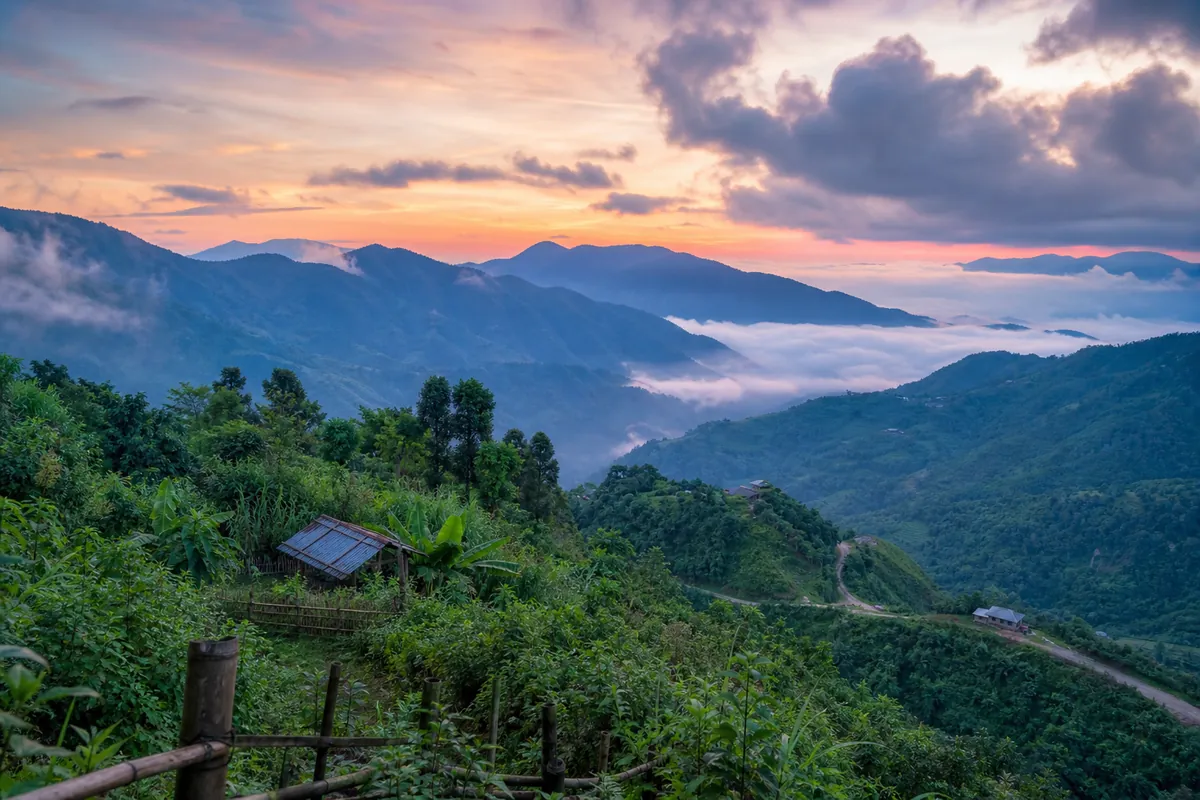
India is a backpacker's paradise, a kaleidoscope of experiences waiting to be discovered. From the majestic Himalayas to the serene backwaters, the bustling cities to the tranquil beaches, there’s an adventure for every soul. In 2026, as travel continues to evolve, backpacking remains one of the most sustainable and budget-friendly ways to truly connect with the heart of India.
- Unmatched Diversity: Explore ancient temples, vibrant markets, breathtaking natural landscapes, and spiritual retreats – all within a single journey.
- Cultural Immersion: Backpacking forces you to engage with local communities, try regional cuisines, and understand the pulse of a place, far beyond typical tourist routes.
- Flexibility & Freedom: No fixed itineraries, no rigid schedules. Change your plans on a whim, stay longer in places you love, and discover hidden gems spontaneously.
- Cost-Effectiveness: When done right, backpacking can be surprisingly economical, allowing you to travel longer and experience more without overspending.
- Personal Growth: Stepping out of your comfort zone, navigating new environments, and meeting fellow travellers from all walks of life fosters resilience, independence, and a broader perspective.
Mastering Your Budget: How to Save Smartly (INR Edition)
The key to successful backpacking lies in meticulous planning and smart spending. Here's how Indian travellers can keep their expenses in check for 2026:
1. Transportation: Your Wheels on a Budget
- Trains (Indian Railways): The backbone of Indian travel. Opt for Sleeper Class (SL) or 3AC for comfort and affordability. Book well in advance, especially for popular routes. A 1000 km journey in Sleeper Class can cost around INR 400-600.
- Buses: State-run buses are incredibly cheap and connect almost every corner of India. For shorter distances or remote areas, they are often the only option. Expect fares like INR 150-300 for a 4-5 hour journey. Private buses, especially overnight Volvos, offer more comfort but are pricier (INR 800-1500 for long distances).
- Local Transport: Embrace auto-rickshaws, shared taxis, local buses, and even cycles for short distances. Always negotiate fares for auto-rickshaws or use ride-sharing apps like Ola/Uber where available to avoid inflated prices.
- Flight Hacks: While backpacking is about overland journeys, sometimes a domestic flight can save time for long distances. Book 3-4 months in advance, use incognito mode, and compare prices across multiple platforms. Look for budget airlines like IndiGo, SpiceJet, or Akasa Air.
2. Accommodation: Sleep Smart, Spend Less
- Hostels: India has a thriving hostel scene, especially in tourist hubs. Expect dorm beds from INR 300-800 per night. Look for places with good reviews, free Wi-Fi, common areas, and included breakfast.
- Guesthouses/Homestays: A fantastic option for a more local experience. Many offer private rooms with basic amenities for INR 700-1500 per night, often including home-cooked meals.
- Budget Hotels: In smaller towns or less touristy areas, basic hotels can be found for INR 800-1800 per night. Always check reviews for cleanliness and safety.
- Ashrams/Dharamshalas: For spiritual travellers, these offer very basic accommodation for a nominal fee or even free, sometimes in exchange for volunteer work. Great for cultural immersion.
3. Food & Drink: A Culinary Journey on a Shoestring
- Street Food: India's street food is legendary, delicious, and incredibly cheap. Samosas, chaat, idli, vada pav – you can have a filling meal for INR 50-150. Ensure the vendor maintains good hygiene.
- Local Dhabas/Restaurants: Eat where the locals eat! Thalis (a complete meal with various dishes) are often the best value, offering a hearty and authentic meal for INR 100-300.
- Cook Your Own: If your accommodation has kitchen facilities, buying fresh produce from local markets and cooking your own meals is the ultimate budget hack. This is especially useful for breakfast or simple dinners.
- Water: Always carry a reusable water bottle and refill it. Many hostels and guesthouses offer filtered water. This saves money and reduces plastic waste.
Crafting Your Route: Epic Indian Backpacking Itineraries for 2026
India is vast, so focus on a region or two rather than trying to cover the entire country. Here are some popular and budget-friendly routes:
1. The Golden Triangle & Beyond (North India)
Route: Delhi – Agra – Jaipur – Pushkar – Udaipur
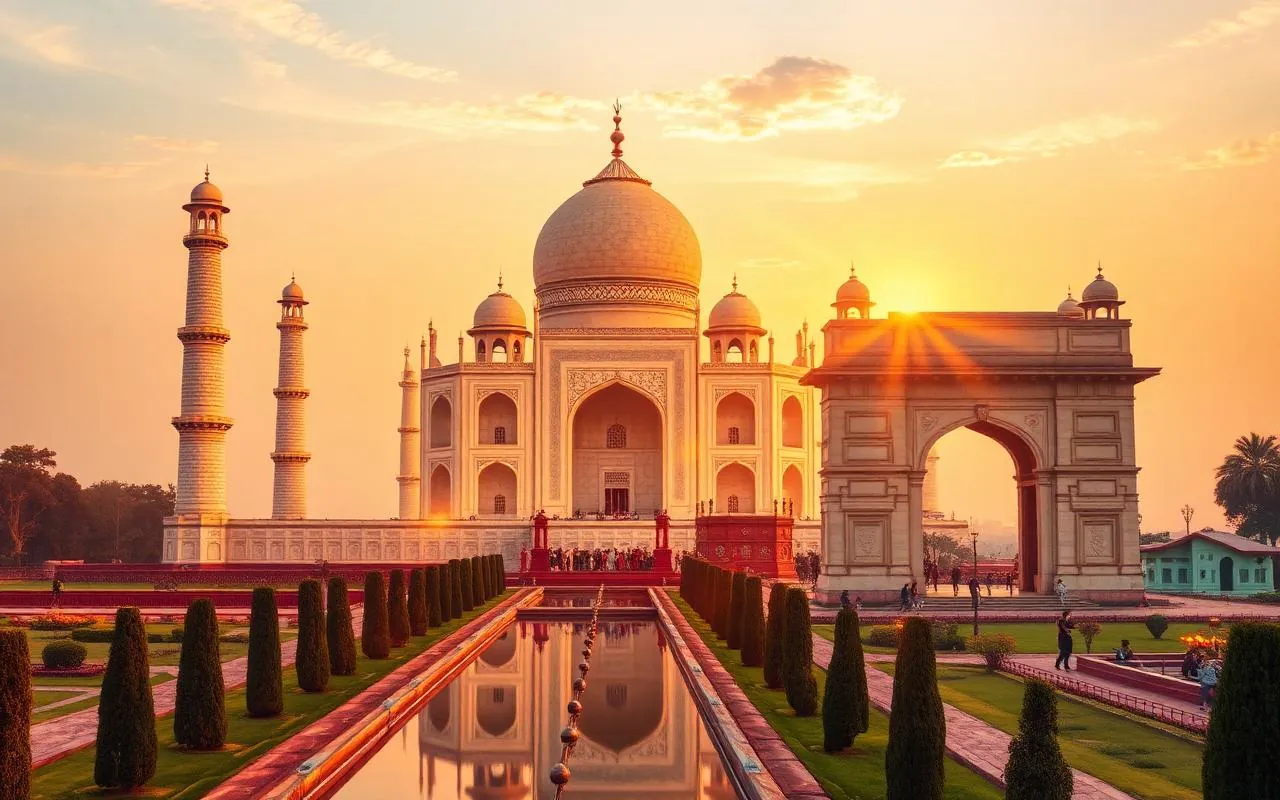
Begin your journey in the capital, Delhi, exploring its historical monuments and vibrant markets. Take an early morning train to Agra to witness the Taj Mahal, then head to the pink city of Jaipur. Continue to the spiritual town of Pushkar and conclude in the romantic lake city of Udaipur. This route is well-connected by trains and buses.
- Approx. Duration: 10-14 days
- Estimated Daily Spend: INR 1500-2500
- Key Experiences: Taj Mahal, Amber Fort, bustling bazaars, Pushkar Lake, boat ride on Lake Pichola.
- Relevant Package: While designed for luxury, our Golden Triangle Luxury Tour offers insights into the destinations, allowing you to plan your budget version.
2. Himalayan Foothills & Spiritual Retreats (North India)
Route: Delhi – Rishikesh – Haridwar – McLeod Ganj/Dharamshala – Manali
From Delhi, journey to the yoga capital, Rishikesh, and the sacred city of Haridwar on the Ganges. Head north to the serene Tibetan community in McLeod Ganj (Dharamshala) and then to the picturesque mountains of Manali, a gateway to the high Himalayas.
- Approx. Duration: 12-18 days
- Estimated Daily Spend: INR 1200-2200
- Key Experiences: Ganges Aarti, yoga and meditation, Dalai Lama Temple, trekking, paragliding, natural beauty.
- Relevant Package: Explore our Himachal Pradesh Tour Packages for inspiration on Manali and Dharamshala, adapting for your budget.
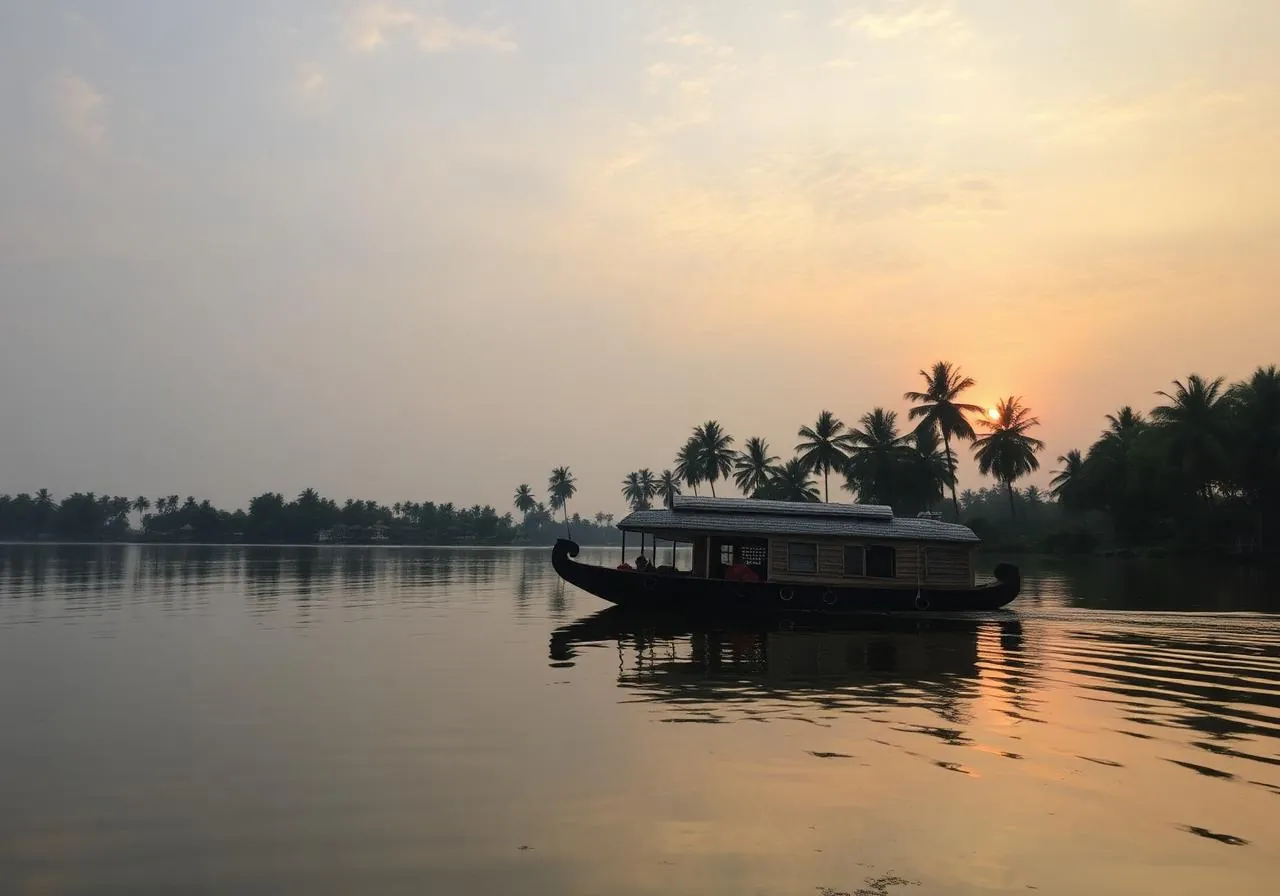
3. The Backwaters & Beaches (South India)
Route: Kochi – Alleppey – Varkala – Kanyakumari
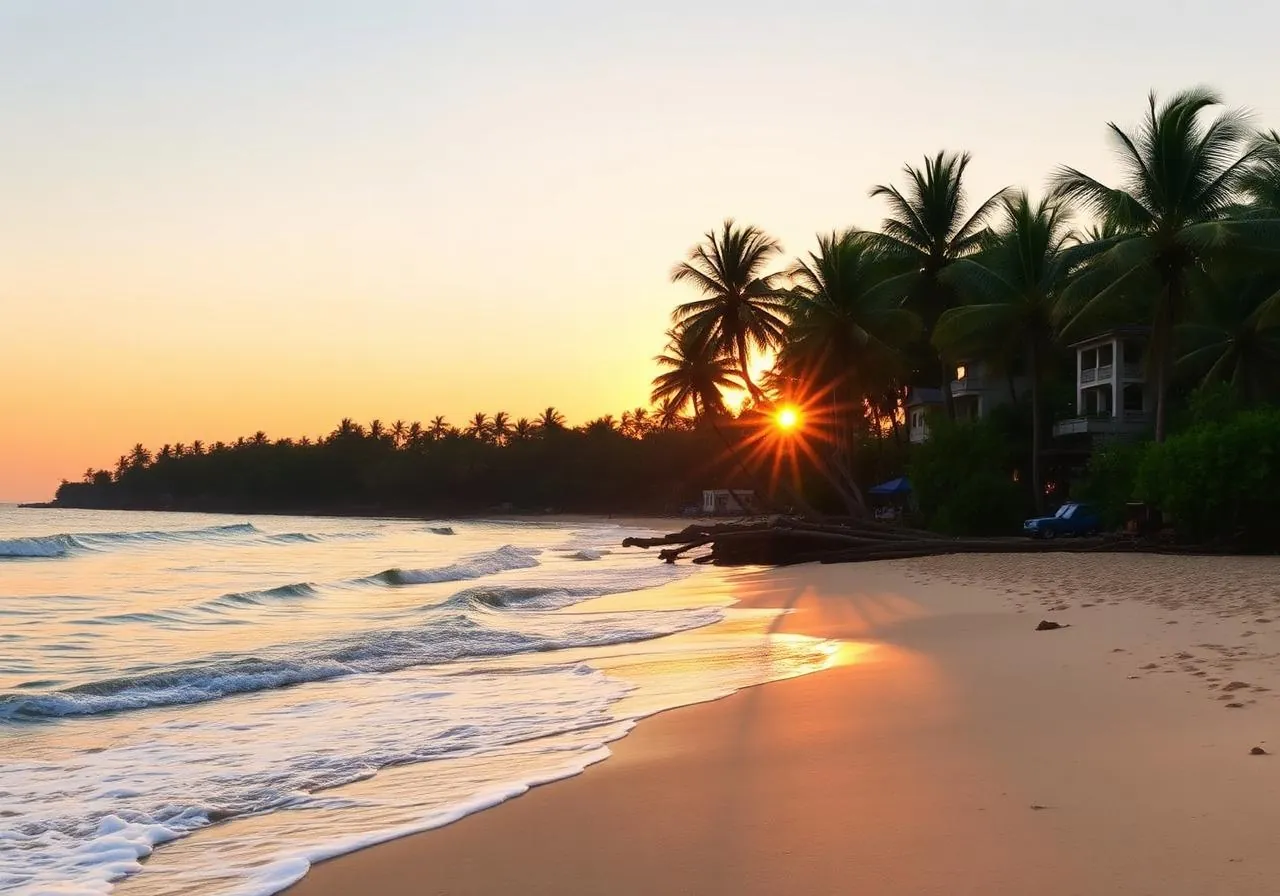
Start in the charming coastal city of Kochi with its colonial history. Drift through the tranquil backwaters of Alleppey (Alappuzha) on a houseboat (or a cheaper public ferry). Relax on the stunning cliffs and beaches of Varkala, and finally, reach the southernmost tip of mainland India, Kanyakumari, where three oceans meet.
- Approx. Duration: 10-14 days
- Estimated Daily Spend: INR 1400-2400
- Key Experiences: Chinese fishing nets, Kathakali dance, backwater cruises, stunning sunsets, Vivekananda Rock Memorial.
- Relevant Package: Our Kerala Tour Packages can provide a framework for your budget exploration of the region.
4. Goa & Hampi: Culture Meets Coast (West India)
Route: Goa – Hampi
Combine the vibrant party atmosphere and serene beaches of Goa with the awe-inspiring ancient ruins of Hampi, a UNESCO World Heritage site. Travel between these two can be done by overnight bus or train.
- Approx. Duration: 7-10 days
- Estimated Daily Spend: INR 1600-2800 (Goa can be pricier, Hampi is very affordable)
- Key Experiences: Beach relaxation, water sports, exploring ancient Vijayanagara ruins, temple architecture, boulder landscapes.
- Relevant Package: Discover more about these regions through our Goa Tour Packages and Karnataka Heritage Tours for luxury insights.
Essential Tips for the Indian Budget Backpacker in 2026
1. Pack Smart & Light
- Backpack Choice: Invest in a good quality, comfortable backpack (40-60 litres is usually sufficient).
- Essentials Only: Clothes for a week (you can do laundry), basic toiletries, a first-aid kit, universal adapter, power bank, and a small daypack.
- Quick Dry Fabrics: Choose lightweight, quick-drying clothes to minimise laundry time and weight.
2. Technology & Connectivity
- SIM Card: Get a local prepaid SIM card (e.g., Jio, Airtel, Vodafone Idea) upon arrival. Data plans are very affordable (e.g., INR 200-300 for 1.5GB/day for a month).
- Offline Maps: Download Google Maps or Maps.me for offline navigation.
- Travel Apps: Use apps like IRCTC for train bookings, RedBus for bus bookings, Ola/Uber for local transport, and various hostel booking apps.
3. Safety First, Always
- Inform Someone: Always share your itinerary with family or a trusted friend.
- Valuables: Keep your passport, money, and important documents secure in a money belt or hidden pouch. Don't flash expensive items.
- Awareness: Be aware of your surroundings, especially at night. Trust your gut instincts.
- Health: Carry basic medicines, stay hydrated, and eat only from reputable places. Consider travel insurance, even for domestic trips.
4. Embrace Local Culture & Bargain Respectfully
- Learn Basic Phrases: 'Namaste', 'Dhanyawaad' (thank you), 'Kitna hai?' (how much?) can go a long way.
- Bargaining: In local markets, bargaining is expected. Do it politely and with a smile.
- Respect Local Customs: Dress modestly, especially when visiting religious sites. Remove your shoes before entering temples/homes.
FAQ: Your Budget Backpacking Queries Answered
Q? What's a realistic daily budget for backpacking in India for an Indian traveller in 2026?
A. For a comfortable budget backpacking experience in India in 2026, an Indian traveller can realistically aim for a daily budget of INR 1500-2500 per person. This covers basic accommodation (hostel/guesthouse), local transport (trains/buses/autos), street food/local meals, and entry fees to a few attractions. If you're extremely frugal and enjoy cooking your own meals, you might even manage with INR 1000-1200 in some regions. Conversely, opting for slightly better hotels or more experiences might push it to INR 3000-4000.
Q? Is solo female backpacking safe in India?
A. Solo female backpacking in India requires extra caution and awareness. While many women travel solo safely and have incredible experiences, it's crucial to be mindful of your surroundings, especially after dark. Research accommodations thoroughly, inform someone of your whereabouts, avoid isolated areas, and trust your instincts. Dress modestly, particularly in conservative regions. Many hostels have female-only dorms, and joining group tours or connecting with other travellers can also enhance safety. Always use reputable transport options.
Q? How do I book trains and buses in India, and how far in advance?
A. For trains, the official IRCTC website or app is the best. You'll need to register. Book 1-3 months in advance for popular routes, especially for Sleeper (SL) or 3AC classes, as they sell out fast. For buses, use apps like RedBus or AbhiBus, or book directly at the bus station. For state-run buses, you can often just turn up and buy a ticket, but for private luxury buses, booking a few days ahead is advisable, particularly for overnight journeys.
Q? What are some hidden costs to watch out for while backpacking?
A. Watch out for ATM withdrawal fees (use bank-specific ATMs), inflated tourist prices (always confirm rates beforehand), unexpected taxi/auto fares (negotiate or use apps), and souvenir overspending. Also, factor in occasional laundry costs, tips for guides/porters, and unexpected medical expenses. Keeping a small emergency fund is always a smart move.
Q? Which regions are best for first-time backpackers in India?
A. For first-time backpackers, North India's Golden Triangle (Delhi, Agra, Jaipur) is a fantastic starting point due to its well-established tourist infrastructure and ease of travel. Rajasthan generally offers a rich cultural experience with good connectivity. Kerala in the South is also very popular due to its laid-back vibe and picturesque landscapes. Himachal Pradesh and Uttarakhand offer great mountain experiences for those looking for adventure, but might be slightly more challenging due to terrain.
India offers an unparalleled journey for the budget-conscious adventurer. With careful planning, smart choices, and an open mind, you can embark on an unforgettable backpacking trip in 2026 that's rich in experiences, not expenses. So, pack your bags, update your playlists, and get ready to create stories that will last a lifetime.
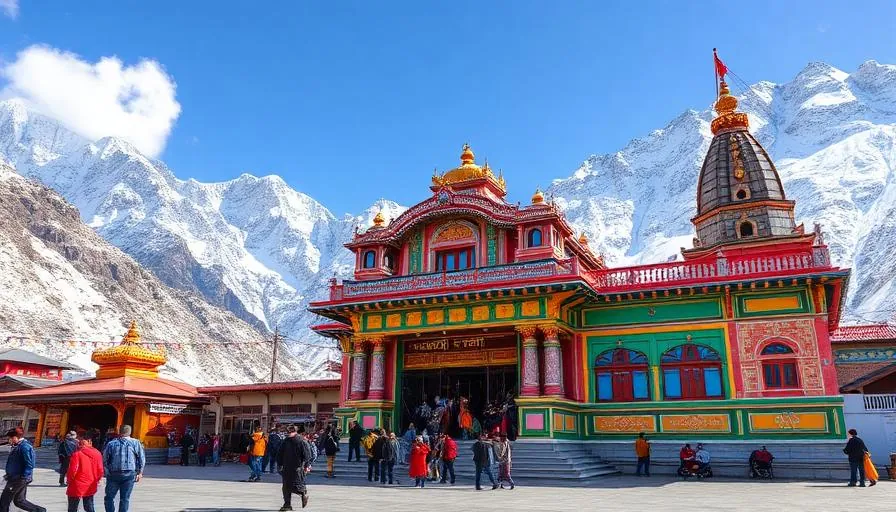
Ready to plan your Indian adventure, or perhaps interested in exploring some of our more curated experiences after your budget trip? 'The Posh Travels' is here to guide you, whether you're dreaming of spiritual journeys to the Char Dham or luxurious escapes across diverse India Tour Packages. Contact us for bespoke travel planning, or reach out directly on WhatsApp at +91 88916 37073 for any travel assistance!
Want this trip planned for you?
Tell us your dates and we'll send a custom itinerary + best price within hours.
Chat on WhatsAppGet a custom quote for this trip
Free, no obligation. Our travel designer replies within a few hours.